A Designer's Practical Review of Skull Bride Groom Embroidery
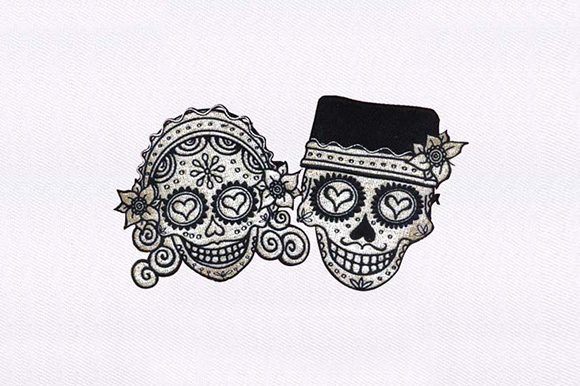
When a machine embroidery design lands on my desk for a real project review, I’m not just looking at the image on screen. I’m thinking about how it will feel after it’s stitched—the texture, the clarity, and the mood it brings to a finished product. The Skull Bride Groom design immediately presents a fascinating mix of themes. It’s not merely a Halloween image; it’s a striking, slightly romanticized take on the classic skull motif, perfect for creating pieces that have character beyond a single season.
The First Stitch Impression: Mood and Personality
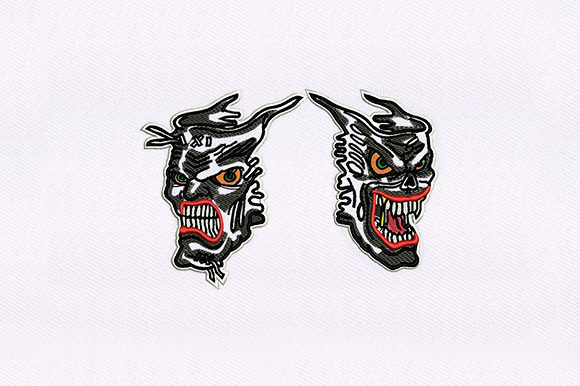
Opening this embroidery file, the first thing you notice is the layout. It has a classic, almost symmetrical composition, but the detailing within the skull shapes suggests a story. This isn’t a scary horror element; it’s more decorative and graphic. The design carries a vibe that’s edgy yet approachable, making it suitable for more than just spooky apparel. I envision it on a custom tote bag for someone who loves alternative aesthetics, or as a standout feature on a dark denim jacket. The visual personality is confident and clean, which translates well to a high-quality handmade presentation.
Where This Design Finds Its Best Home
In practical use, the Skull Bride Groom machine embroidery design shines on stable, medium-weight fabrics. My immediate thought was testing it on a heavyweight cotton tote for a boutique product. The graphic nature would stitch out with excellent clarity, creating a product that feels intentional and well-crafted. For apparel decorators, a black sweatshirt with this design in a contrasting white or silver thread would be a strong seller. It also has potential as a standalone embroidered patch, applied to aprons, caps, or even pillow covers for a permanent touch of personality in a home decor item.
For creative entrepreneurs and Etsy sellers, this design offers versatility. It can anchor a whole product line—think matching sets with the motif on a kitchen towel and an oven mitt for a quirky gift. Because the theme isn’t overly literal, it could even work as a personalized gift for a wedding with a darker sense of humor, moving it beyond the Halloween category entirely. In printable mockups for digital product sellers, the clean lines would render beautifully, making it a compelling design asset for customer previews.
Navigating the Practical Stitching Considerations
Any experienced embroidery designer knows that a good-looking preview must survive the transition to real thread and fabric. With a design like this, which likely has defined areas of detail, your setup is key. I always advise testing on scrap fabric first, especially if you plan to use it on a textured fabric like a knit sweater or a curved surface like a cap. Check the stitch density in your software viewer; areas that look densely filled on screen might require a sturdy stabilizer on thinner fabrics to prevent puckering.
Thread color contrast is paramount here. On dark fabric backgrounds, you’ll need bright, opaque threads to make the shapes pop. Conversely, stitching it on a light baby item or a tea towel would require a re-evaluation of the mood—a black thread version would be more graphic, while a softer gray might make it more subtle. Always inspect the small details in the design corners and junctions. A quick stitch-out on your test scrap will reveal if any tiny elements might get lost or become overly dense, allowing you to adjust hoop size or stabilizer type accordingly.
Caution Areas for Optimal Results
While versatile, there are places where I’d use the Skull Bride Groom embroidery design more carefully. On very small hoop sizes, the details might compress and lose their sharpness. I wouldn’t recommend it on highly stretchy fabric without significant stabilizer and perhaps even a backing patch. Similarly, layered garments with seams or pockets underneath the embroidery area could create an uneven stitching surface. For products destined for frequent washing, like baby clothes or kitchen linens, ensure your stitch parameters are tight and secure to maintain integrity over time.
The design’s success on commercial embroidery projects hinges on preparation. Run it through black and white mockups to see how it holds up without color, which helps judge its fundamental shape strength. Compare it on light and dark fabric backgrounds in your software to pre-plan your thread schemes. These steps directly affect customer trust and your brand consistency—a poorly executed version on a final product can hurt buyer engagement far more than the design itself.
From Digital File to Finished Product Value
The true test of an embroidery design is how it elevates the final product. When I consider Skull Bride Groom for my own craft business or client work, I think about the value it adds. On a high-quality sweatshirt, it transforms a basic garment into a statement piece, increasing its perceived value and giftability. For a small shop merchandise item like an embroidered blanket or nursery decor wall hanging, it provides a unique, recognizable motif that can build a cohesive brand look.
Its professionalism comes from its execution. A clean stitch-out with proper tension and contrast makes the handmade presentation feel expert, not amateur. This is crucial for Etsy sellers and creative entrepreneurs competing in a visual marketplace. Before selling any finished items or incorporating it into digital products for resale, the absolute first step is to confirm the licensing terms of the design file. This protects your business and respects the design creator.
In the end, a design like this is a tool. Its power lies in how you apply it. With a practical approach—testing, matching it to the right product, and respecting the technical requirements of embroidery—the Skull Bride Groom can become a reliable asset in your design library, capable of creating compelling, sellable work for your clients and customers across many projects, Halloween or otherwise.