An Embroidery Designer's Take on the Tie Gift Card Holder
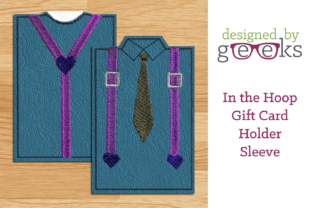
When a client asked for a unique Father’s Day gift idea that felt more substantial than just handing over a card, I remembered this Tie in the Hoop Gift Card Holder design. It’s a charming concept—a little holder with a tie and suspenders that keeps the gift card presentation tidy. As an embroidery designer reviewing files for real project use, my first thought wasn't about the theme, but about the execution. How does this design actually perform when you load it into the machine and aim for a polished finished product?
The Personality It Brings to a Project
The design immediately suggests a playful, yet classic, mood. The tie and suspenders are inherently nostalgic and friendly. This isn’t a minimalist, modern graphic; it’s a character piece. For a crafter or small business owner, that’s valuable. It tells a story before the gift card is even inserted. I picture it on a custom tote bag meant for a dad’s work lunches, or as a standalone embroidered patch applied to a denim jacket. The visual personality is strong, which means it can elevate simple items into memorable personalized gifts.
In terms of layout, the “in-the-hoop” nature means the entire gift card pocket, tie, and suspenders are constructed by the machine. This is a significant advantage for Etsy sellers and craft business operators because it streamlines production. You’re essentially creating a finished, functional item in one hoop session, which is great for consistency across multiple units for a craft fair or small shop merchandise.
Real-World Embroidery Performance: Where It Shines and Where to Be Careful
I consider performance across the spectrum of typical embroidery projects. For sturdy, non-fraying fabrics like felt or tight-weave canvas—as the description suggests—this design is a star. Think apron pockets, pillow cover accents, or even as a decorative element on a tea towel (though laundering considerations come in later). The satin stitches defining the tie and the fill stitches creating the pocket should look crisp and professional on these surfaces.
However, this is where practical judgment is crucial. I would be very cautious about running this on thin or stretchy fabric without extensive testing. The structure of the holder likely involves denser stitch areas to create that pocket. On a lightweight t-shirt or some baby clothes, that density could lead to puckering or fabric distortion. Similarly, on curved surfaces like caps, the flat, rectangular nature of the holder might not conform well unless applied as a separately made patch.
For dark fabric backgrounds, thread color contrast is paramount. The playful details of the suspenders and tie could get lost if you don’t choose light or brightly colored threads. Always test on scrap fabric first, especially in black and white mockups, to judge the clarity of those smaller elements.
A Scenario: Boutique Holiday Gifts
Imagine you’re preparing a line of boutique Father’s Day gifts. You want to offer something more engaging than a generic card. Using this embroidery file, you could produce a series of these holders on high-quality felt, perhaps even monogramming them lightly. They become a tangible, handmade presentation sleeve for the gift card. The customer reaction I’d anticipate is delight at the thoughtfulness—the gift card feels like part of a crafted item, not just plastic. This directly impacts product value and customer trust in your brand’s attention to detail.
Designer Notes for Professional Results
My core advice for anyone using this for commercial embroidery or serious hobby projects is to treat it like any critical design asset. First, confirm your hoop size against the design’s dimensions—you need enough space for the entire construction. Second, use proper stabilizer appropriate for your base fabric; this is non-negotiable for maintaining shape and stitch clarity.
Inspect the small details in your test run. Check the corners of the gift card pocket and the attachment points of the suspenders. These are often areas where stitch buildup or tiny jumps can occur. A clean result here speaks to your professionalism and the overall handmade presentation.
Finally, and this is vital for digital product sellers and those selling finished items: confirm licensing before selling. Understand the terms for using this digital embroidery file in your products. Does it allow for commercial use of the finished physical items? This is a fundamental step that protects your craft business.
The Final Impression: A Design with Clear Purpose
The Tie in the Hoop Gift Card Holder isn’t a generic decorative motif. It’s a functional, themed construction. Its strength is in that specific purpose. For holiday embroidery like Father’s Day, it’s a clever solution. For apparel decorators thinking beyond clothing—perhaps onto tote bag designs or kitchen towels for a gift bundle—it offers a unique embellishment.
Its effect on visual appeal and buyer engagement is significant because it’s interactive; the recipient gets to use the holder. That adds a layer of experience to your product. However, its use requires careful fabric selection and technical preparation to ensure that the final finished product reflects the design’s charming intent. Stitch it wisely, and it becomes a standout piece in your embroidery project portfolio.